

A Conditioning Chamber for laboratory use (also commonly called a laboratory conditioning chamber, humidity conditioning chamber, constant temperature and humidity chamber, or environmental conditioning chamber) is a specialized enclosed device that maintains precise, controlled temperature and relative humidity (RH) levels inside the chamber. This creates standardized environmental conditions for preparing, storing, or “conditioning” samples/materials before physical, mechanical, or quality testing.
These chambers are essential in labs to ensure repeatable and accurate test results by eliminating variations caused by ambient room conditions (like fluctuating Delhi humidity or temperature).
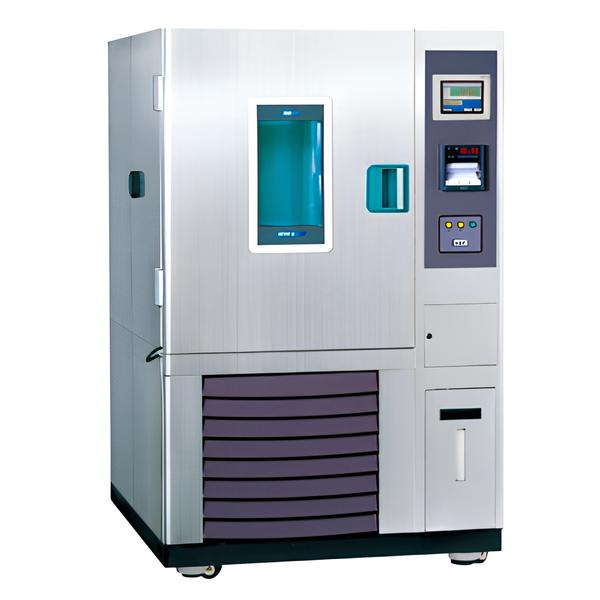
Typical controlled ranges:
The ability of materials to withstand high temperatures and humidity may be readily tested in a variety of industries using a humidity testing chamber. This humidity testing chamber is essential for material stability testing, particularly in the pharmaceutical sector. The ability to quickly evaluate the dependability of electronic components and other relevant samples under high humidity levels is one of the main benefits that manufacturers will receive from using a humidity testing chamber. This will assist manufacturers in recognizing probable problems. These testing chambers aid in product development and environmental monitoring in addition to testing the materials’ resilience to humidity.